Skip to content
Pre-orders open November 24 · Launch December 1. Launch orders: expected postal delivery December 1–5.

Free US shipping, no minimum. We ship free next business day*.*Starts 12/1.

Educator Program

Classroom formicaria for schools and educators

Bring a living ant colony into your classroom. American Ant offers schools and educators discounted formicaria, one per grade or one per student, with scholarships for programs that need more help.

Apply for your class

The program

An ant farm for your classroom, sized to your class

Pick how your class will use them. Every American Ant nest connects through the same AA-01 port, so a classroom setup can grow with the colony.

  • One per grade or class

    A shared formicarium the whole class observes, records and cares for together.

  • One per student

    Each student keeps and watches their own formicarium, start to finish.

Paid (discounted)A paid program with discounts subsidized by American Ant. We'll confirm pricing for your class size when we reach out.

ScholarshipFor schools and educators who can't fit the full cost into their budget. Scholarships reduce the cost, and depending on circumstances some programs may be fully covered. Tell us about your need in the program details.

Classroom learning

What students learn from an ant colony

A formicarium for schools turns a colony into a science lesson students can watch every day. These are the topics most classes cover.

Ant biology

Ants are insects: six legs, two elbowed antennae and a body in three parts, the head, the thorax (mesosoma) and the abdomen (gaster), joined by a narrow waist.

A colony works as one unit. The queen lays the eggs. Workers, all female, care for brood, dig, forage and defend. Winged males and new queens appear only when a colony is mature enough to reproduce.

Ants talk mostly through chemicals called pheromones, which students can see at work when workers follow a trail to food.
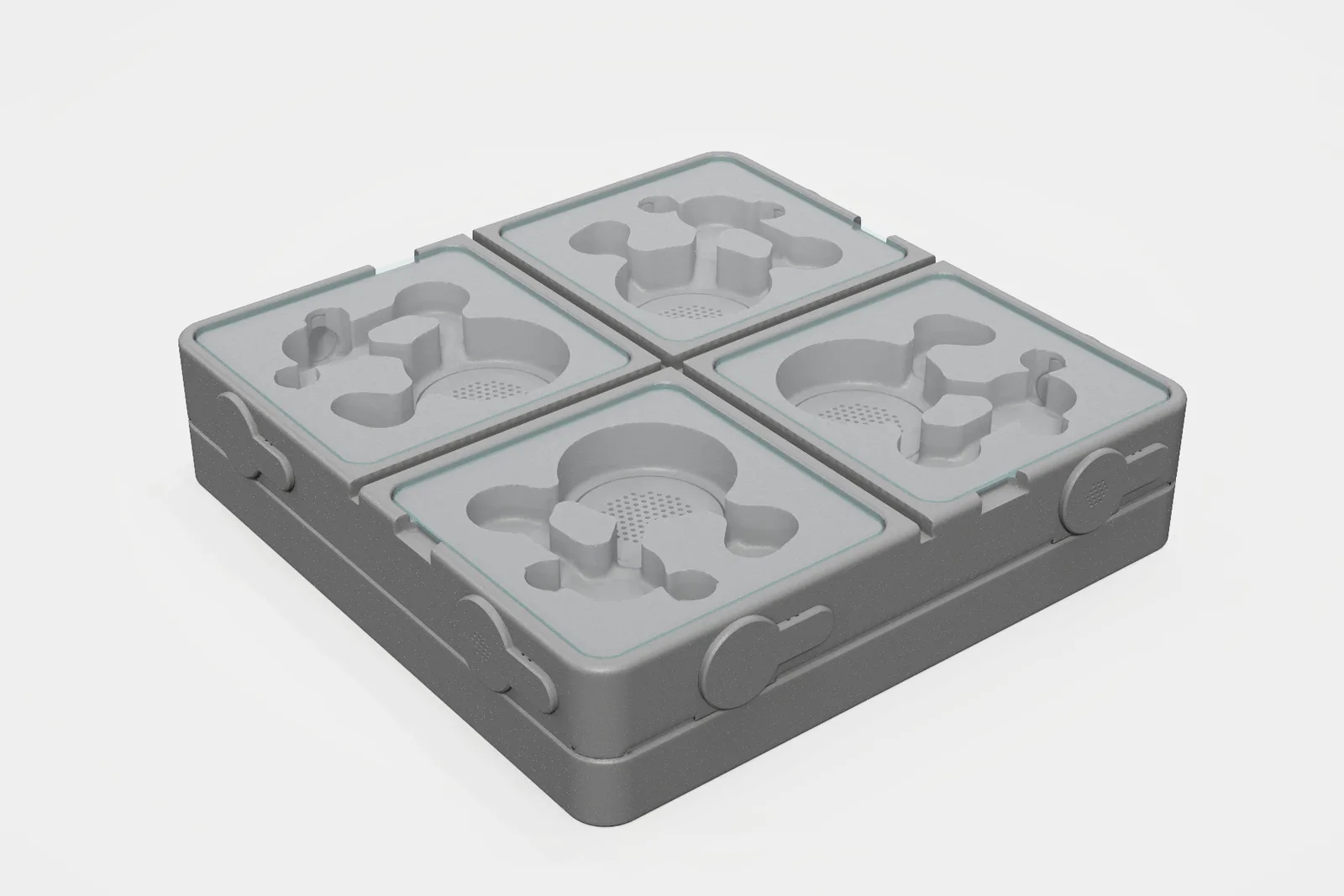
Four Corners formicarium, which keeps four separate colonies in one unit
The Four Corners keeps four colonies side by side, for comparing how they grow.

The ant lifecycle: egg, larva, pupa, adult

Ants go through complete metamorphosis. In a clear formicarium, students can see all four stages at once.

  1. Stage 1

    Egg

    The queen lays tiny eggs that workers carry, clean and keep together in piles.

  2. Stage 2

    Larva

    Legless, grub-like larvae are fed by workers and grow through several molts. This is the only stage that grows.

  3. Stage 3

    Pupa

    The larva transforms into an adult shape. Depending on the species, pupae are bare or wrapped in a silk cocoon.

  4. Stage 4

    Adult

    A worker ecloses at full size and begins caring for brood. Egg to worker takes weeks to months, depending on species and temperature.

Catching a founding queen

New colonies start with a nuptial flight. Winged queens and males fly, mate, and the mated queen lands, breaks off her wings and digs in to found a colony.

Many species found alone: the queen seals herself away and raises her first small workers from her own body reserves. A newly mated queen walking without wings is the one to catch.

Our guide covers when flights happen and two ways to catch her: how to catch a queen ant.

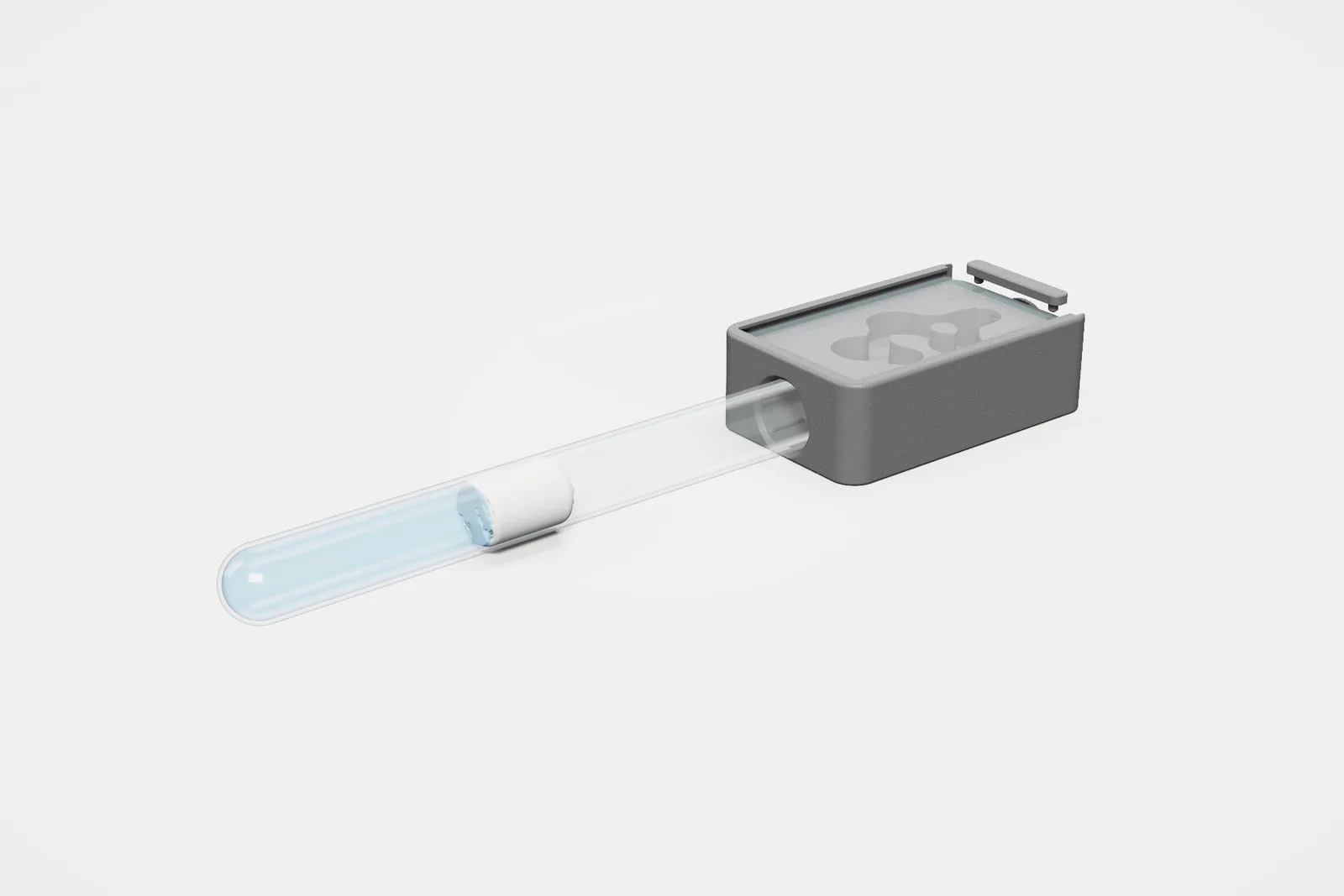
Scout formicarium for a founding queen
The Scout gives students a close-up view of a founding queen as she raises her first workers.

Where classroom ants come from

American Ant does not sell live ants. The best classroom colony is a local one: catch a newly mated queen of a species native to your area. Check your local and state rules before collecting or keeping ants.

You can also .

Care guides for the classroom

Apply

Ant colony classroom program application

Tell us about your school and your plan. We'll reach out within a few days by phone or email.
About you and your school
How many formicaria?

A paid program with discounts subsidized by American Ant. We'll confirm pricing for your class size when we reach out.

Describe the program you plan to run. American Ant supplies discounted formicaria and teaching information, not the full program. Include the subject or curriculum, timeline, how students will use and care for the formicaria, and where the ants will come from.

We reply within a few days by phone or email.

Questions

Educator program FAQ

Is the educator program free?

It's a paid program with discounts subsidized by American Ant. Schools and educators who need more help can request a scholarship, and depending on circumstances some programs may be fully covered.

Can we get one formicarium per student?

Yes. Choose one per grade or class for a shared classroom ant farm, or one per student so every student keeps their own. Tell us how many classes and students are taking part.

Do you provide a full curriculum?

No. You plan and run your own program, and you describe it in the application. We share information that helps you teach it: ant biology, the ant lifecycle, catching founding queens, and our care guides for setup, water and heat.

Does American Ant supply the ants?

No. American Ant does not sell live ants. Classes can catch a local native queen where state and local rules allow it, or buy from a seller that publishes its USDA permit.

Who can apply?

Schools, teachers and other educators with a US shipping address. Fill in the application with your school or organization, grade levels and program plan.

How soon will we hear back?

We read every application and reach out within a few days by phone or email.